

Why Choose Sport in jlsss
- ⚽
Full Coverage
Follow a wide variety of sports, including football, basketball, and more.
- 📊
Detailed Statistics
Access comprehensive data to help you make informed decisions.
- 🎁
Special Promotions
Earn exclusive bonuses and participate in end-of-year offers.
Flash News
- 🏆
Soccer
Watch live matches and enjoy the best betting options.
- 🏀
Basketball
Dive into the on-court action with exclusive stats and analysis.
- 🎾
Tennis
Bet on international tournaments with competitive odds.
The Exciting World of Xmas: Discover the Game 'jlsss'
Explore the thrilling game 'jlsss' within the Xmas universe, including its captivating gameplay, rules, and the impact of current events on its popularity.
- 📖
Study team statistics and performance before betting.
- 🕒
Gamble responsibly and set clear limits.
- 💡
Take advantage of seasonal promotions to maximize your earnings.

The Timeless Strategy of Napoleon Card Game: A Comprehensive Guide

The Timeless Strategy of Napoleon Card Game: A Comprehensive Guide
Napoleon, also known as Nap, is a classic trick-taking card game that traces its origins back to 19th century England. Named after the famous French military leader Napoléon Bonaparte, the game embodies elements of both strategy and chance, making it a favorite pastime for generations. In this article, we explore the game's fascinating description, introduction, and the rules that govern play, while also highlighting its cultural significance in the modern world.
Description of the Game
Napoleon is traditionally played by 3 to 7 players, though five is considered the ideal number. The game utilizes a standard 52-card deck, and like many trick-taking games, the aim is to win as many tricks as possible based on bids made during each round. Each player is dealt five cards, and the game is renowned for its strategic nuances, where players must make critical decisions based on the cards they hold and the bids of their opponents.
The game is highly adaptable, allowing for various regional variations that introduce different rules and strategies. This adaptability ensures Napoleon remains fresh and engaging, even for seasoned players. The game's blend of skill, bluffing, and chance makes it an excellent choice for those who relish strategic card games.
Introduction and History
The popularity of Napoleon soared during the Victorian era, particularly among British troops who spread the game throughout the British Empire. Its intriguing blend of strategy and chance made it a staple in military barracks and civilian households alike. The game's association with Napoléon Bonaparte, a strategic mastermind, adds a layer of sophistication and historical intrigue.
The influence of Napoleon has persisted over the centuries, with the game finding a place in various cultures worldwide. Each iteration of the game carries unique twists that reflect its cultural backdrop, showcasing the versatile nature of this timeless card game. In contemporary times, the accessibility of Napoleon through digital platforms has introduced it to a new generation of players, adding to its enduring appeal.
The Rules of Napoleon
Understanding the rules of Napoleon is essential for mastering the game. The game begins with the dealer distributing five cards to each player. After examining their hands, players take turns making bids, declaring the number of tricks they believe they can win and the suit they propose as trumps. The player with the highest bid becomes the 'Napoleon' and leads the first trick.
Winning tricks in Napoleon involves following suit if possible, with the highest card winning the trick. If players cannot follow suit, they may play a trump card, overriding cards of the original suit. Successful execution of strategies is crucial, as failing to meet the bid results in a penalty, adding a layer of pressure to each decision.
Several variations exist, such as the inclusion of a 'Wellington', a special bid indicating the intent to win all five tricks. This variation is a nod to the Duke of Wellington, Napoléon Bonaparte's adversary, adding a historical twist to the gameplay. Such intricacies contribute to the game's complexity and replayability, keeping players engaged round after round.
Cultural Relevance and Modern Interpretations
The game of Napoleon, much like its namesake, stands as a symbol of tactical ingenuity and adaptability. In the modern era, the game's transition to online platforms has sparked renewed interest, allowing individuals to connect and compete from various corners of the world. This digital evolution also provides opportunities for new variations and rules to emerge, further diversifying the game.
Amidst the backdrop of current events, where global connections and cultural exchanges are increasingly prevalent, Napoleon serves as a bridge, fostering social interaction and understanding through shared gameplay. The rise of online gaming communities dedicated to Napoleon illustrates its ability to transcend time and geography, evolving while retaining its core strategic elements.
Furthermore, the game's adaptability parallels contemporary societal shifts, such as the ability to pivot strategies in the face of uncertainty, making it a subtle yet powerful tool for honing cognitive and strategic skills. In a world where strategic thinking is invaluable, Napoleon remains relevant, offering a unique blend of historical richness and modern-day applicability.
In conclusion, the Napoleon card game is more than a test of luck and skill; it is a cultural artifact representing the enduring human fascination with strategy and competition. Whether played around a physical table or through the pixelated interface of a digital screen, the game continues to enthrall, educate, and connect players across generations.
Flash News
-

Explore the thrilling world of LuckyTiger, uncover its unique features, introduction, and detailed rules in this comprehensive guide.
-

Dive into the exciting universe of StempedeRushWicked, a dynamic game captivating players worldwide with its unique gameplay and challenges.
-

Dive into the captivating universe of MoneyMinter, an innovative game blending financial strategy with immersive gameplay. Discover the rules, challenges, and unique aspects of this engaging experience.
-
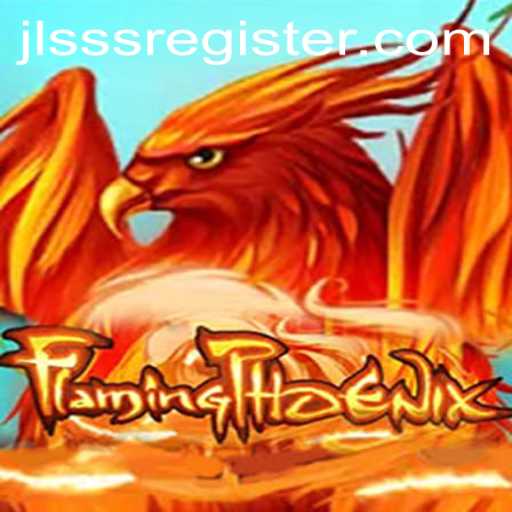
Explore the captivating universe of FlamingPhoenix, a game that blends adventure and strategy with current events, bringing a dynamic gaming experience to life.
-

Explore the immersive universe of LostTreasure, a game that captivates with its complex strategies and engaging narratives. Learn about its rules, gameplay, and intriguing twists amidst current events.
-

Explore the intricacies and excitement of Spindrift2, an innovative game capturing the imagination of players worldwide.
-

Explore BuffaloPower, a captivating game combining strategy, adventure, and dynamic gameplay.
-

Discover the enthralling world of BoxingKing, an immersive game blending strategy and skill within the realm of virtual boxing challenges.


